
Beaver impact
As Eurasian beavers are making a comeback, they impact our environment. Read here about the different ways beavers influence their surroundings. Go to measures to explore approaches that support human–beaver coexistence.
MeasuresPage content
Eurasian beavers (Castor fiber) are expanding their range and populations continue to expand to new areas in Eurasia. North America and Canada have extensive populations of their cousin, Castor canadensis.
The presence of beavers in catchments can contribute significantly to ecosystem benefits and can also bring challenges from their activities. There are three main categories of behaviour that bring about extensive benefits through the creation of complex wetland habitats. The same behaviours can bring about challenges.
Damming
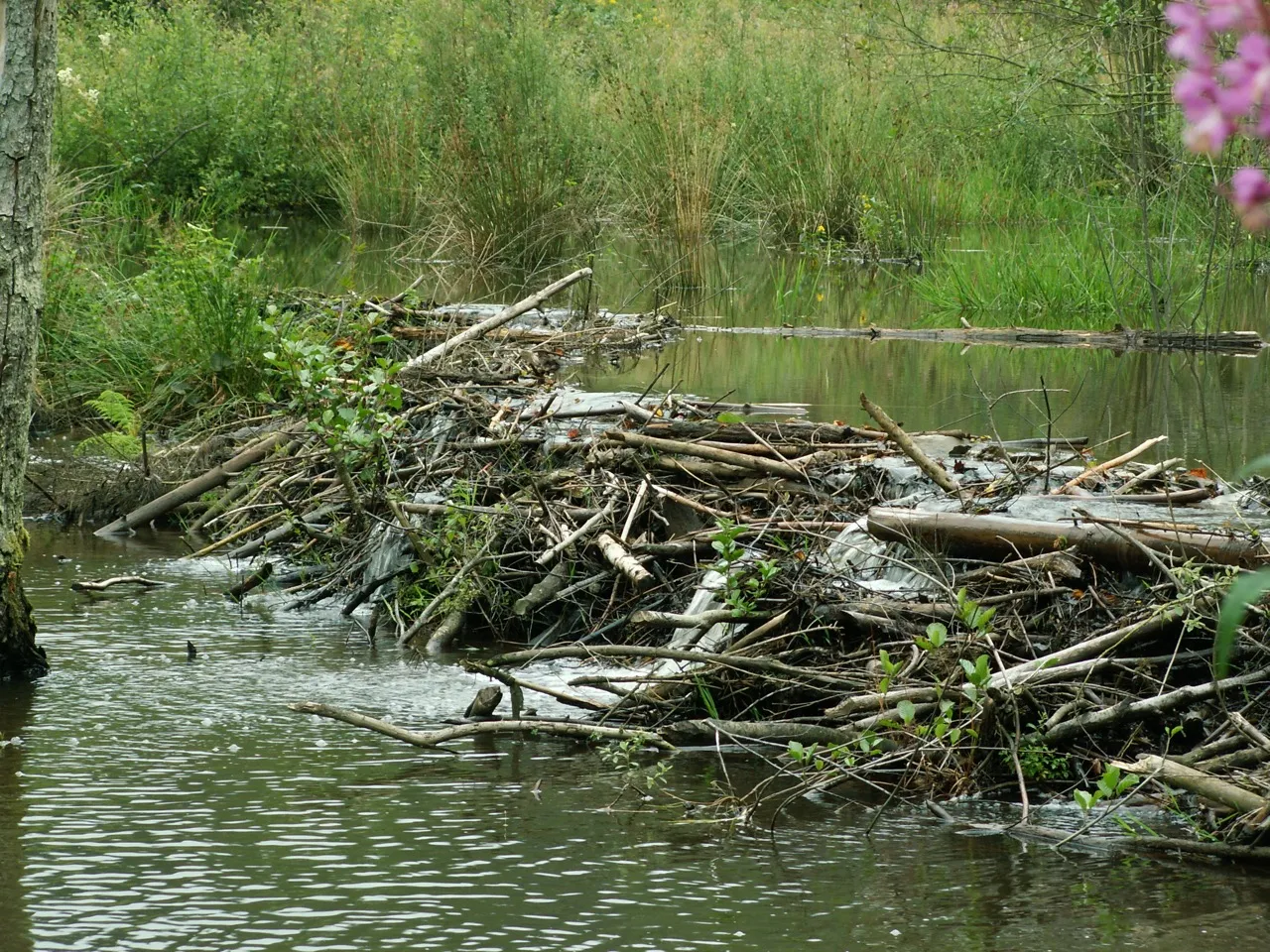
Beaver dams are mainly constructed from woody material, vegetation and substrate. Dams can typically be maintained by beavers, in most situations, where watercourses are <6 metres wide. Beaver dams vary in size, function, and permanence. Beavers build dams to alter water levels in order to protect lodges, burrows and canals, and to access foraging sites. Damming may create challenges by disrupting water flow, raising water levels, and causing floods in undesired areas.
Burrowing
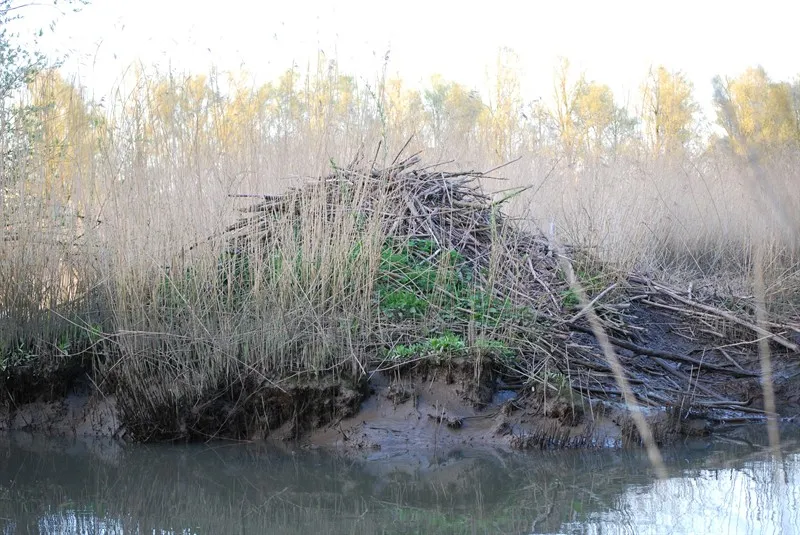
Beavers construct chambered burrows and lodges in which to breed and rest. Lodges are more visible above ground but are not always present where beavers live in chambered burrows. Short burrows can be used as day rests. Lodge and burrow entrances are typically submerged and not often visible except at low water levels or if the roof collapses. A territory can have multiple lodges and burrows. Some lodges can look similar to accumulated flood debris. Burrowing may create challenges by weakening banks, dikes, or nearby infrastructure.
Foraging
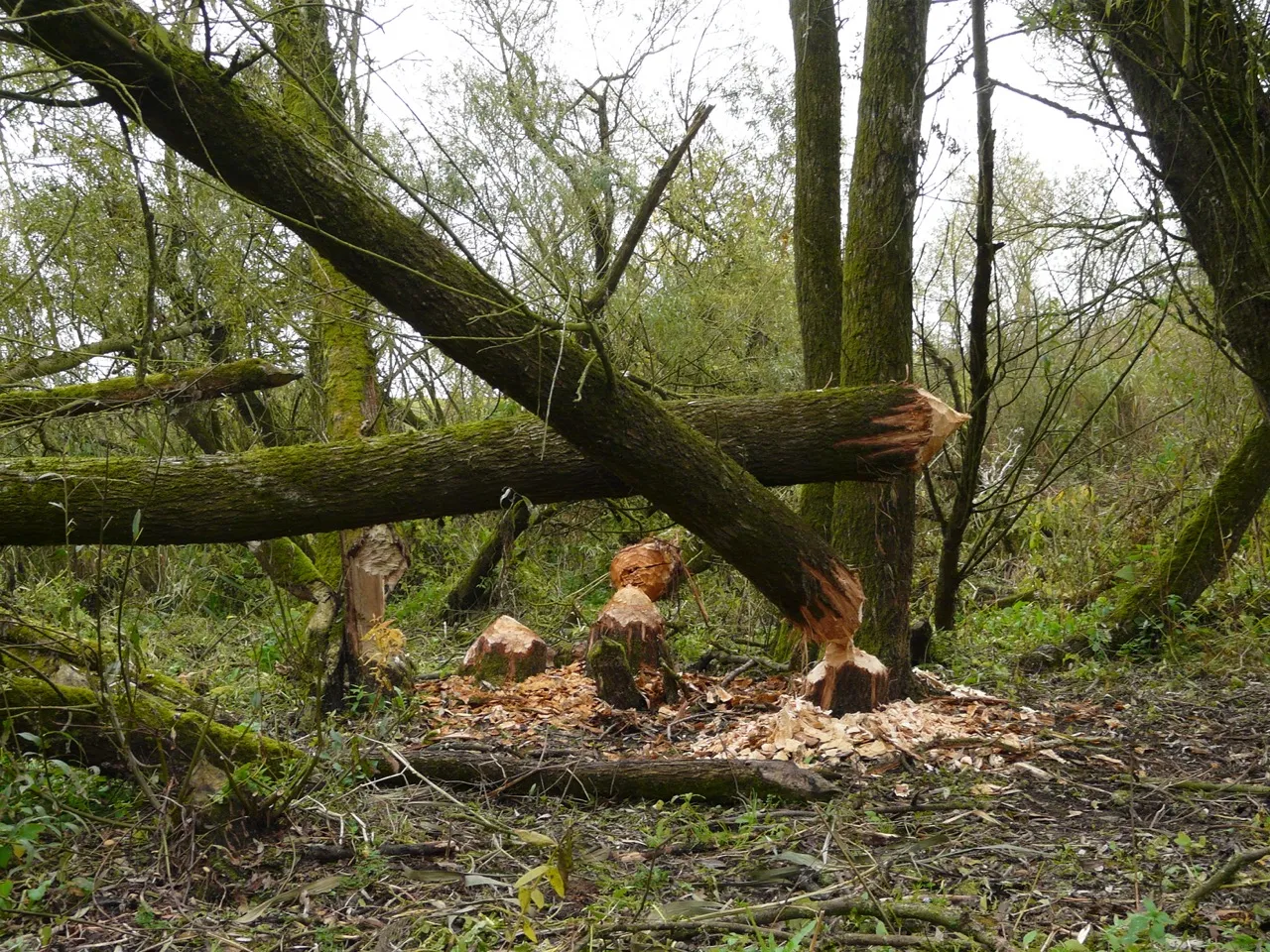
Beavers are herbivorous and eat a wide range of vegetation, from herbaceous plants to the bark and tender branches of large trees. They may fell trees to use material for food and also for dam building. The choice of species is wide, with preferred species such as aspen, hazel, willow, and fruit trees. They may dig canals whilst foraging, to reach habitat and to move safely within their territory. Foraging may create challenges by damaging vegetation, or by gnawing on structures (e.g. sluices) if these are on the route of the beaver.
Positive impact
Evidence is well documented that beavers have the ability to significantly change the habitat around them, creating positive environmental and societal benefits. Human – beaver conflicts are evidenced as being around 90% occurring within 10 metres of the waters edge and 95% within 20 metres.
Rivers and their floodplains are increasingly valued as vital corridors with policy and guidance encouraging and explicitly seeking protection and restoration. An essential approach that can help deliver this objective is to make space for rivers to move in their floodplains. This allows the restoration of natural processes and the associated achievement of beneficial ecosystem services. This space making, also provides a corridor where human – beaver conflict is extensively reduced or removed.
Preventative measures
Responding to beaver activity can either be reactive or proactive. Anticipating what may happen, and acting early is beneficial. If there is the ability to make space along a river corridor this is always the preferred option. Building in protection for the future at the start of a project or the building of infrastructure is likely to save money over time. If this is not possible, and where infrastructure is already present, reactive measures may need to be taken. There are a number of options available. Discussion between engineers and beaver experts is important in order to choose the most effective and appropriate option. Find different measures here.
Protection and legislation
Eurasian beaver is a protected species in a number of countries and any responses to their activity should be carried out in line with that legislation and licensing framework. There may also be country specific policies and guidelines that must be followed that go hand in hand with protection of the beaver, for example environmental and flood risk.
What is common across all countries is the aim of maximising the benefits that beavers can bring alongside minimising the risks and challenges. A key component of this is the restoration of rivers and their floodplains and keeping these as natural as possible when responding to beaver activity.