Beaver habitat and distribution
Beavers have a widespread range along the Northern hemisphere and have specific habitat preferences. Their high adaptability enables them to engineer and modify the environments they inhabit.
© C. Lange
Page content
Habitat
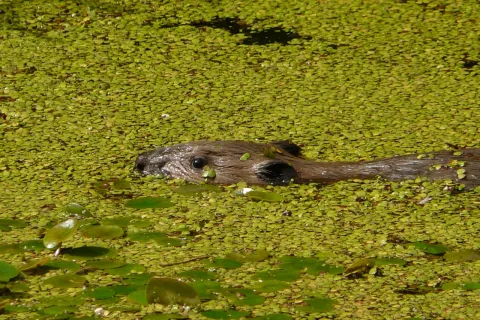
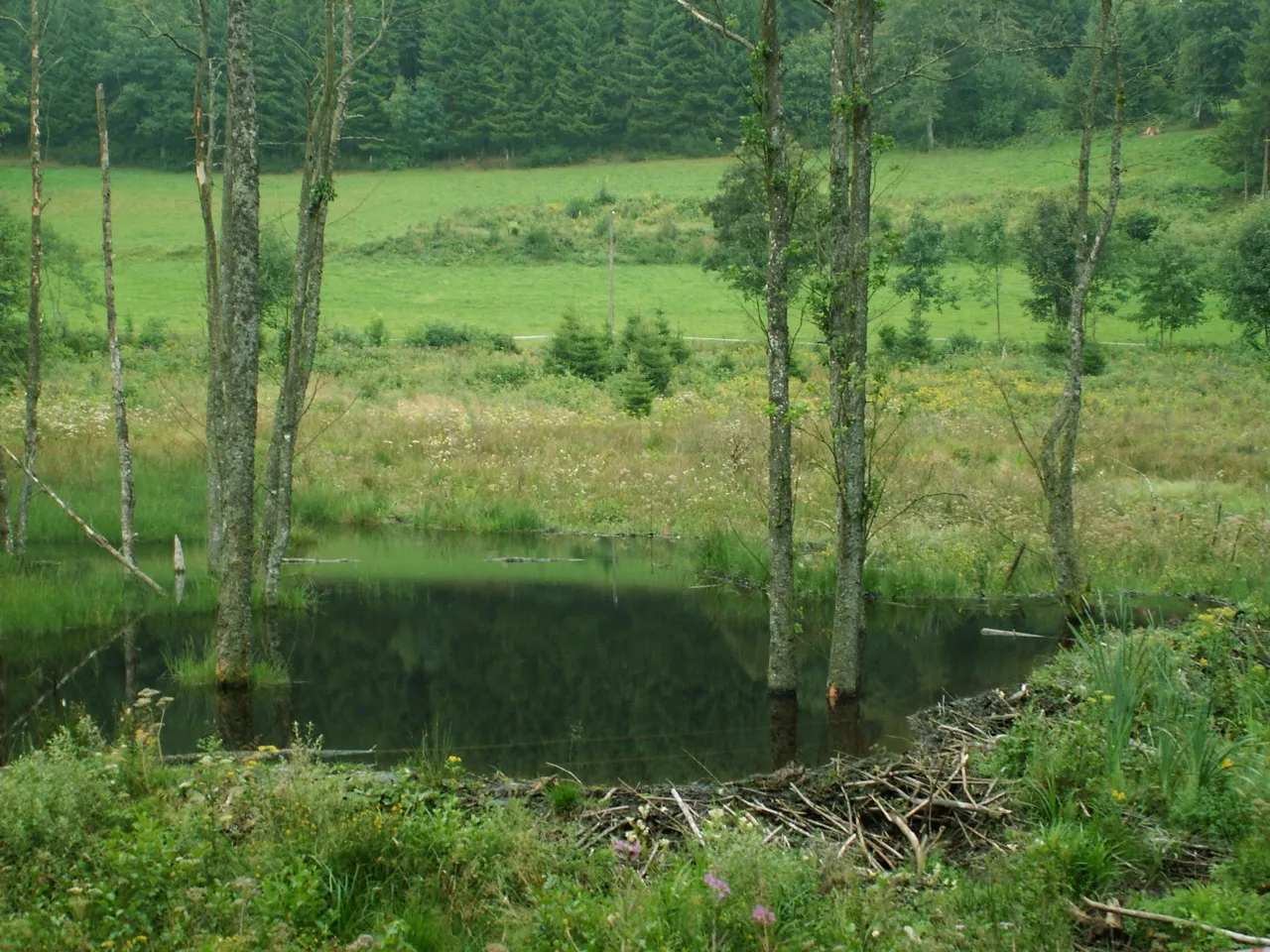
Beavers thrive in freshwater environments such as rivers, streams, ponds, lakes, wetlands, ditches, and swampy woodlands. They can live in natural, agricultural, and even urban landscapes. For example, in Europe, beavers are found in mountain streams in Switzerland, expansive marshes in Poland, man-made landscapes in the Netherlands, and even in major cities like Berlin (Figures 1 and 2).
Habitat preferences
Beavers generally prefer:
- Deeper water; minimum 0.5 m required for building burrows
- Low-gradient landscapes (0–6%)
- Close access to trees and other vegetation. A sufficient amount of vegetation throughout the year is needed to support a population.
- Riparian zones within 10–30 m of water courses or water bodies
Beavers may occupy streams with gradients up to 15% in mountainous areas. In some cases, even small ditches may provide suitable habitat if food and shelter are available.

Key habitat features
- Beavers are central place foragers - foraging near their lodges and water sources, mostly within 25 metres from the water’s edge.
- They need a mix of woody and herbaceous vegetation for both food and building material.
- Preferred tree species include willow (Salix spp.), poplar, and aspen (Populus spp.).
- In colder climates, proximity to suitable trees is important for winter food caches.
- In other regions, aquatic plants and some crops may supplement their diet.
Beavers prefer slow flowing water with a gradient of 1 – 2% and they will avoid fast flowing water with a gradient steeper than 2.5% as this can washout dams and food caches However, they are also able to modify their habitat to improve conditions. For more information on these modifications, see the sections Beaver behaviour and constructions, Beaver impact, and Benefits.
Adaptability
Beavers are highly adaptable. Environmental factors such as food availability, landscape features, and the presence of humans all play a role in where beavers choose to settle. In the Netherlands for example, they can live in small canals as long as the water is deep enough, and there are aquatic plants and places to burrow.
Habitat selection is influenced not only by environmental conditions, but also by individual behaviour. While some individuals avoid areas with high human activity, others can thrive in urban or suburban environments—even near paths where people walk their dogs.
Distribution
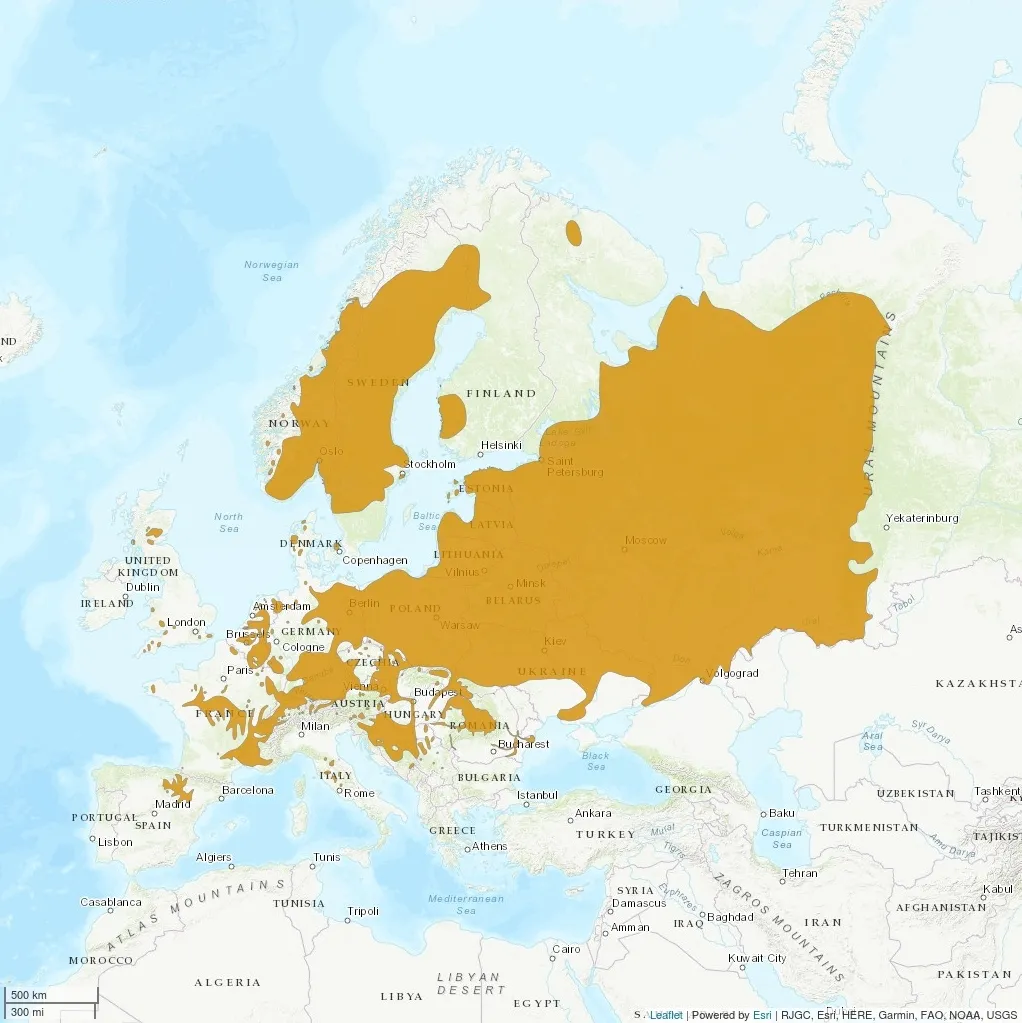
The two species of beavers are found across the Northern Hemisphere. The Eurasian beaver (Castor fiber) is native to Europe and parts of Asia and was once widespread. Due to intense hunting for fur, meat, and castoreum (used in medicine and perfumes), numbers fell to fewer than 1,200 individuals by the early 1900s.
Today, beavers are found in over 24 European countries, including Scotland, England, Germany, Sweden, and the Netherlands (Figure 3). The population is estimated at around 1.5 million and continues to grow. Although Asian populations remain small and vulnerable. This paper on the distribution and population of the beaver shows a more detailed distribution of the Eurasian beaver, including the populations in Asia.
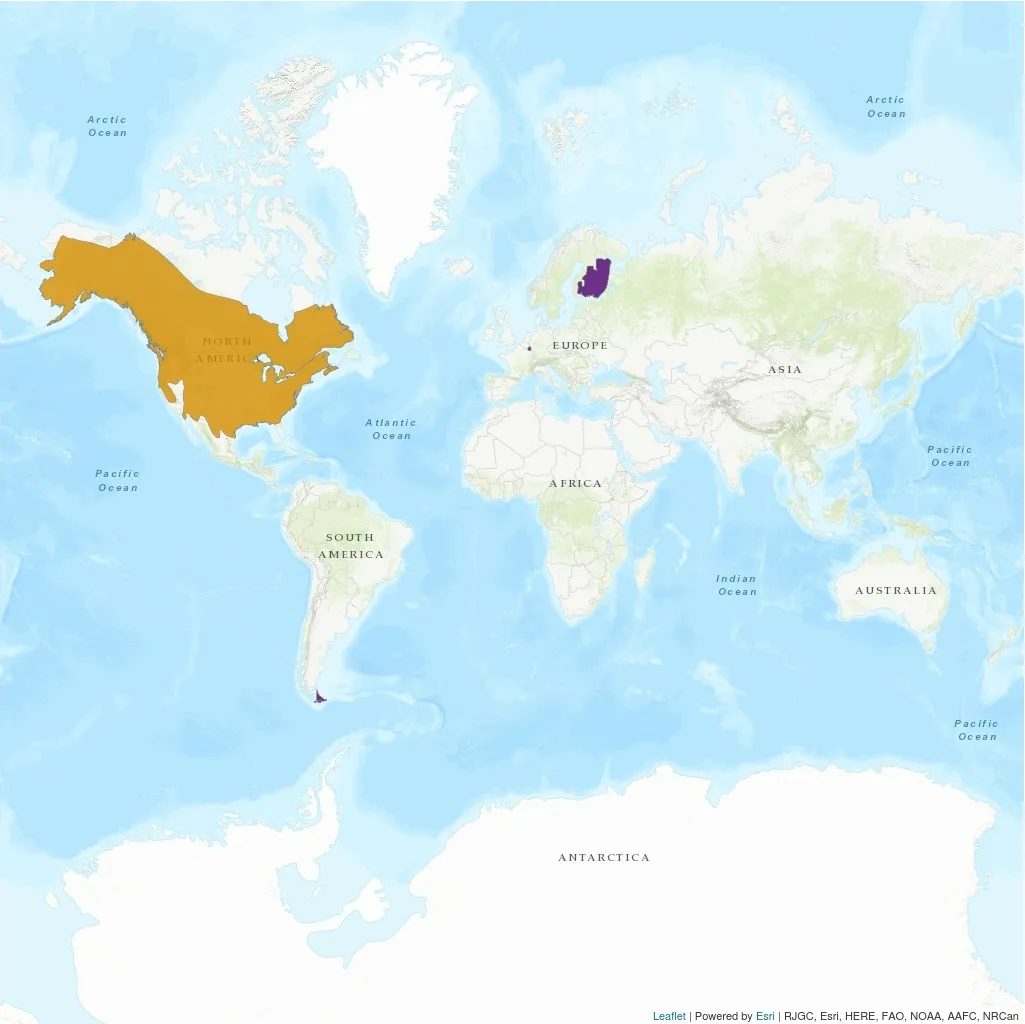
The North American beaver (Castor canadensis) is widespread across the United States and Canada (Figure 4). It has also been introduced to other regions, including southern South America (notably in Tierra del Fuego) and parts of Europe, such as in Scandinavia, where it is now considered invasive.